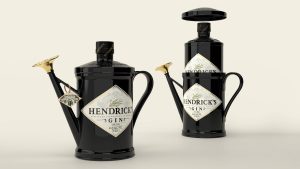
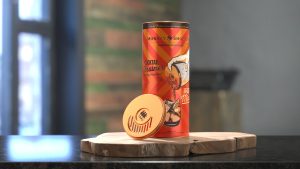
They say great art is never finished; only abandoned. You can tweak and refine the tiniest details, but eventually, you have to let it go and put it out into the world.
There’s a very good reason for this. Put simply, those minuscule details are crucial when determining the impact of the end product. For professionals working on any kind of design project, getting them right is an obsession. And in packaging, when there are countless functional and operational requirements to consider alongside aesthetics, it’s possible to argue that this detail-oriented approach becomes even more important.
Of course, many of these details go beyond aesthetics. In luxury packaging, it’s equally important that a pack feels like a quality product in and of itself. Hinges have to close with the perfect level of resistance. Locking mechanisms have to click shut with just the right sound. Print finishing, varnishes, and coatings must deliver the desired tactile feedback, stimulating the sensory nerves in the fingertips with the ideal combination of textures.
These details combine to create an emotional crescendo, elevating packaging beyond a mere container and turning it into an unforgettable experience.
A challenging landscape for luxury
The challenge for luxury packaging suppliers is to deliver this kind of elevated experience without allowing lead times and costs to spiral out of control. Often, the artistic desire to tweak and improve a packaging project runs up against the realities of releasing a commercial product. Balancing the vision and the reality is critical to ensure that luxury brands can maintain growth.
This is particularly important in the current market environment, which has proven to be challenging for the luxury sector. While the nature of the sector and its traditionally more affluent consumer base has blunted some of the impact that the rising cost of living has had on many other industries, that impact has still been felt in luxury. Top brands are experiencing a notable slowdown as consumers have become more discerning about where to spend their money.
That means there are still opportunities for luxury brands, even as the sector’s growth stutters – brands just have to work harder to earn them. That means over-delivering and elevating products into experiences in order to meet climbing consumer expectations. Packaging is absolutely central to this evolving dynamic.
Adding drama to packaging while remaining cost-effective and meeting deadlines do not have to be treated as competing priorities. They can work together like instruments in an orchestra – through thoughtful composition and an early establishment of production tolerances, each can complement the other to great effect. This lets you compress lead times with stock components, reserve spend for visible ‘hero’ details and still hit cost targets without diluting the moment of touch, light, and sound that makes the pack unforgettable.
Packaging that looks as good as it feels
Fine details that appeal to all the senses create multiple avenues for engagement and can be harnessed by packaging designers to deliver a memorable, curated unboxing experience.
Visual details draw the consumer’s eye, giving the packaging a unique aura that only grows stronger on closer inspection. They can be complemented by playing with light and shadow to create a dynamic specular experience in every pack, using materials like faceted foils, pearlescent inks, resin inlays, combined with structural elements like shadow gaps to add depth to the finished product. Tactile cues can continue to reinforce a brand’s identity through careful use of features like wood grain, soft-touch varnish, embossing and debossing, cool materials like metal, or warmer alternatives like paper and fabric. And the importance of sound should not be overlooked. The micro-acoustic satisfaction of a magnetic closure snapping shut, or a ribbon gently whispering as it is untied, might be quiet – but it speaks loudly to consumers about a product’s quality.
Conversely, if any of these details fall outside of the standard that consumers expect, they can give a product a cheap, off-brand feel that is anathema to the luxury experience. In the end, this is where the craft shows. Luxury lives in fractions – of a millimetre, a Newton, a decibel – and the brands that win are those that make these fractions add up to something greater than the sum of their parts.
These details don’t just have to satisfy the consumer’s desire for quality; they can be used to further reinforce brand storytelling. For example, our recent project on the Glendronach 30-Year Old whisky required us to use a crotch-cut veneer to ensure the wood grain resembled the swirling of a freshly poured dram. Each case was engraved with 30 facets, representing the three decades the liquid spent in the cask, and finished with a Pantone®-matched grey stain to add a little orderly brand consistency to the natural chaos of the wood grain pattern.
While detail is the story, the supply chain is the plot that carries it. When contingencies are built in from concept, such as parallel material options, duplicated critical tooling, and alternative finishing routes, the theatre of touch, light, and sound can be protected from real-world volatility to maximise the impact of a product launch.
At Hunter Luxury, we have made that resilience a discipline, coupling sensory design with global, door-to-door logistics control so the pack that leaves the line is the pack that the consumer opens.
That’s why the final movement of a Hunter Luxury packaging project isn’t just the reveal; it’s the reliable repeatability of that reveal across markets, seasons, and SKUs. When so much is uncertain, having a packaging solution that brands can rely on to deliver an emotional crescendo is invaluable.
Our team of packaging experts works with the world’s largest brands. Drop us a line at info@hunterluxury.com, we’d love to talk through your project brief with you.